Defying Time Gracefully: The Real Talk on Anti-Aging and Hormone BalanceDefying Time Gracefully: The Real Talk on Anti-Aging and Hormone Balance
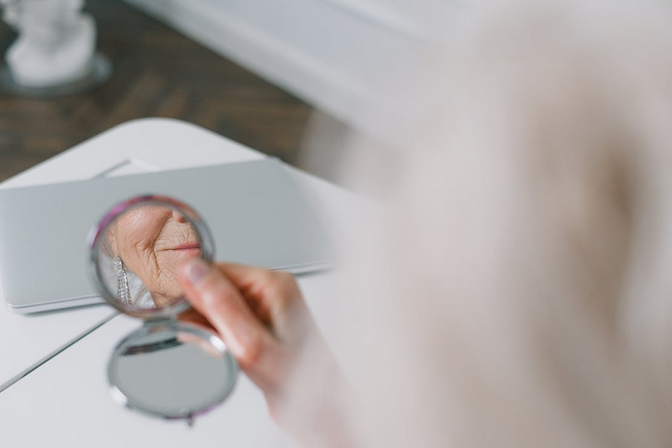
Aging is inevitable, but feeling old doesn’t have to be. These days, science, good habits, and smarter health choices can help you stay vibrant longer than ever. If you’ve ever wondered how to boost your energy, improve your skin, or just feel more like yourself again, EliteHRT can help you maintain balance as your bodies change with time.
Anti-aging isn’t about chasing perfection. It’s about extending your quality of life. So, you can feel strong, sharp, and full of vitality, no matter what the calendar says. Here’s everything you need to know about anti-aging and how hormone balance can help de-age yourself.
Prioritize Rest and Stress Control
Sleep and stress are two things we all underestimate until our health reminds us who’s boss. Quality sleep helps repair tissues, balance hormones, and refresh your mind. A lack of it, though, accelerates the very things we’re trying to avoid: wrinkles, fatigue, and irritability. Stress, too, can fast-track aging like nothing else. Chronic tension floods your system with cortisol, which breaks down collagen and messes with your metabolism. Try winding down with simple rituals—stretching before bed, breathing exercises, or turning your phone off an hour earlier. You’d be surprised how much younger you’ll feel after a few good nights of real rest.
Feed Your Body Like You Mean It
 No miracle cream beats a balanced plate. The nutrients you eat daily either support or sabotage your skin, energy, and hormones. Antioxidants, healthy fats, and lean proteins play huge roles in keeping your body in check. Think avocados, nuts, salmon, and colorful veggies instead of processed shortcuts. Hydration also deserves a standing ovation. Water helps keep your skin supple, your organs happy, and your system running smoothly. You don’t need fancy detox drinks, just regular water and consistent meals with actual nutrients. Think of it as fueling a car that you want to last decades without breakdowns.
Give Hormone Replacement Therapy a Try
Hormones are like conductors of your body’s orchestra. When they’re in sync, everything feels smooth, your mood, energy, and even your metabolism. But as we age, that rhythm starts to shift. This is where hormone replacement therapy (HRT) can make a meaningful difference for many people. Modern HRT, like the programs guided by professionals at EliteHRT, focuses on restoring hormonal balance safely and thoughtfully. With the right approach, it may help improve energy, muscle strength, skin tone, and even focus. Of course, it’s not a one-size-fits-all solution. But for some, it’s a key to aging with confidence and vitality intact.
Keep Your Body Moving

You don’t have to run marathons to stay young. Regular movement keeps your blood flowing, muscles strong, and joints flexible. Even a brisk 20-minute walk or a fun dance session at home counts. The goal isn’t perfection, but it’s consistency. Exercise also fuels the production of endorphins, those feel-good chemicals that keep your mind youthful and optimistic. Pair that with stretching and posture awareness, and you’ll feel physically lighter and mentally sharper in no time. The best anti-aging trick? Keep moving, no matter how small the step.
Aging well isn’t about chasing youth. It’s about embracing every stage of life with balance, grace, and a little strategy. With good habits, a mindful mindset, and the right support, like hormone care through a trusted expert, you can keep feeling strong and radiant. Time might keep moving forward, but so can your health, joy, and confidence.…