
Beyond the Scope: How Colonoscopy Is Quietly Transforming Preventive HealthBeyond the Scope: How Colonoscopy Is Quietly Transforming Preventive Health
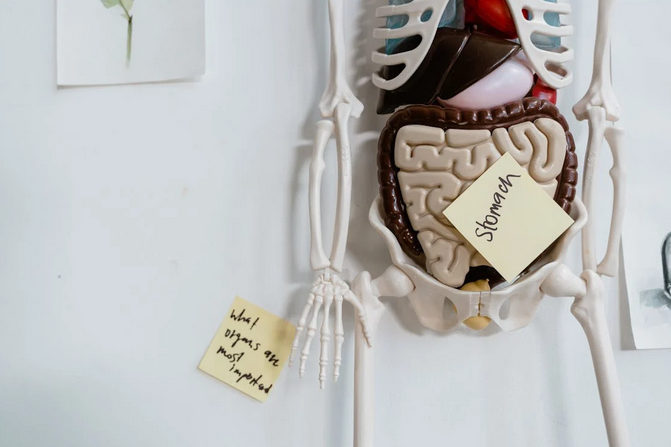
When most people think of colonoscopies, they imagine an uncomfortable test meant to detect colon cancer. But what’s often overlooked is how this simple yet powerful procedure is redefining what preventive medicine really means. Over the past decade, advances in screening technology and growing public awareness have made colonoscopy more than just a diagnostic tool—it’s a cornerstone of proactive health care. Beyond identifying polyps or signs of disease, it’s helping people take charge of their future health in ways that weren’t possible before.
The Shift From Reaction to Prevention
Traditionally, health care has been reactive—people would wait until symptoms appeared before seeking help. Colonoscopy changed that narrative. By allowing doctors to detect and remove polyps before they develop into cancer, it introduced the idea that early action saves lives. This shift toward prevention doesn’t just apply to colorectal cancer; it symbolizes a broader move toward catching diseases at their earliest, most treatable stages. The colonoscopy is, in many ways, a model for how medicine can prioritize prevention over treatment.
Accessibility and Awareness Are Expanding

For years, the biggest barriers to colonoscopy were fear, cost, and lack of awareness. Today, these challenges are gradually fading as more people understand the procedure’s life-saving potential. Campaigns led by health organizations and the availability of advanced screening centers have made it easier than ever to schedule and complete a screening. For instance, the colonoscopy procedure is now widely recognized for its efficiency, patient comfort, and use of state-of-the-art imaging technology, helping to reduce anxiety and encourage participation in preventive screening programs. By making colonoscopies more accessible, more people are taking proactive steps to protect their health.
Technology for Smarter Screenings
Modern colonoscopies aren’t the same as they were even ten years ago. High-definition scopes, artificial intelligence-assisted detection, and improved preparation methods have made screenings faster, safer, and more accurate. AI, for example, can now highlight tiny polyps that might otherwise go unnoticed, boosting detection rates and minimizing the chance of missed diagnoses. This means better outcomes for patients and a stronger case for colonoscopy as an essential preventive measure.
Beyond Cancer: What Else a Colonoscopy Can Reveal

While colonoscopy is best known for detecting colon cancer, it can also uncover other gastrointestinal conditions that might otherwise go undiagnosed. Inflammatory bowel diseases, ulcers, and even infections can be spotted during the procedure. This broader diagnostic potential makes it an invaluable tool in maintaining digestive health and identifying issues long before they become serious. Essentially, a colonoscopy provides a comprehensive look at one of the body’s most important systems, helping doctors tailor treatment and lifestyle advice to each individual’s needs.
The New Experience for Patients
Gone are the days when a colonoscopy was viewed with dread. Advances in sedation, preparation, and patient education have turned it into a smooth, manageable experience. Clinics are increasingly focused on comfort and convenience, offering faster recovery times and better guidance throughout the process. The emphasis is now on empowerment—helping patients understand that a colonoscopy isn’t something to fear, but rather an opportunity to safeguard their long-term health.
The colonoscopy’s quiet transformation from a diagnostic test to a preventive health cornerstone is one of modern medicine’s underappreciated success stories. It’s not just about catching cancer early—it’s about shifting how we think about health care itself. By making prevention the priority, colonoscopy embodies the future of medicine: proactive, informed, and deeply personal. Whether it’s through improved technology, better access, or a more positive patient experience, this once-feared procedure is proving that sometimes, looking deeper really can save lives.…

 No miracle cream beats a balanced plate. The nutrients you eat daily either support or sabotage your skin, energy, and hormones. Antioxidants, healthy fats, and lean proteins play huge roles in keeping your body in check. Think avocados, nuts, salmon, and colorful veggies instead of processed shortcuts. Hydration also deserves a standing ovation. Water helps keep your skin supple, your organs happy, and your system running smoothly. You don’t need fancy detox drinks, just regular water and consistent meals with actual nutrients. Think of it as fueling a car that you want to last decades without breakdowns.











 We all know that our body needs certain nutrients to function properly – vitamins, minerals, protein, and healthy fats, just to name a few. If you’re not getting enough of these critical nutrients through your diet, your body won’t be able to perform all its necessary functions. This can lead to a host of problems, including fatigue, headaches, muscle aches, and more. Failing to get enough essential nutrients through your diet can also make it harder for your body to build muscle mass, which is important for maintaining a healthy weight.

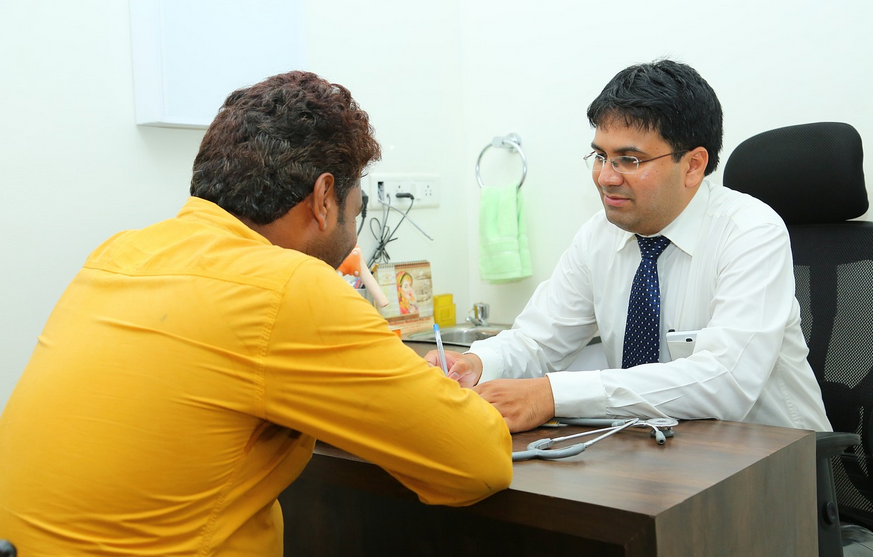
 A regular medical checkup can help you track your health changes. This is especially important as you get older and your body changes. By seeing your doctor regularly, you can catch health problems early and get treatment before they become serious. Regular medical checkups are also a good time to ask your doctor about any health concerns you may have. You can get information about how to stay healthy and find out if there are any steps you can take to prevent health problems.
 People who get regular checkups live an average of three years longer than those who don’t. That’s because doctors can detect and treat health problems early when they are most easily treatable. In addition to longevity, regular checkups also lead to a better quality of life. People who see their doctor regularly report feeling healthier and more energetic than those who don’t. So if you want to live a long and healthy life, schedule regular checkups with your doctor. It could be the best decision you ever make.





 When targeting a ball/balls that are hard to reach, a billiard player needs to perform his/her unusual move. It often takes serious body’s flexibility and balancing ability for the shot. Sharp eyes and good muscle coordination are the necessary traits for a good billiard player.
 We see foosball in bars, and it is commonly associated with party-game. This game is indeed the easiest to play and the most fun in comparing other options. But cognitive skill and eye-muscle coordination are heavily exercised in this game.


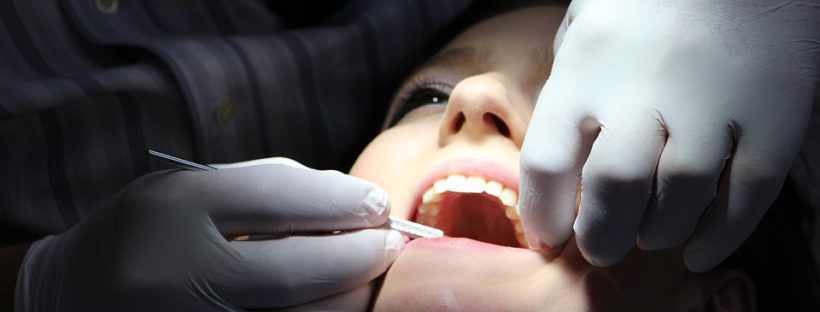
 It may be hard to believe if you were told decades ago that this was even possible. Conscious sedation for clients who are busy is available for minor surgeries. Some of these procedures include tooth repair and fillings due to trauma or cavities. Tooth trauma can be caused by different factors including, cracks experiences when one falls or biting hard objects like nails. These repairs can be done by use of various materials like composite fillings. They are made in a way that makes them feel natural thus comfortable for the patient.
 These services are used to address your dental hygiene needs. They range from teeth whitening to general oral cleaning. These services are needed often due to the advantages they give. Without proper cleaning, we are prone to other oral infections. Teeth whitening is sought by many clients as foods like coffee cause stains that accumulate over time. The procedure is done by use of peroxide based materials used in improving the appearance of discolored teeth without causing any harm to them.